
Keeping a home in good condition requires more than cleaning rooms and keeping things organized. Over time, every property experiences normal wear and tear that can affect its structure, systems, and outdoor spaces. Small problems that seem insignificant at first can become more expensive or disruptive when they are ignored. A minor leak, damaged section of pavement, aging roof component, or malfunctioning household system may eventually require extensive work if it is not addressed promptly.
A practical home maintenance routine helps homeowners identify potential problems before they become major repairs. It also provides an opportunity to extend the life of important components and keep the property comfortable, safe, and functional. Maintenance needs can vary considerably depending on the home’s age, construction, location, climate, and existing systems. Properties with private wells or septic systems, for example, have different maintenance responsibilities than homes connected to municipal utilities.
Regular inspections are an important part of this process. Homeowners can periodically check visible areas for signs of damage, deterioration, moisture, or unusual changes. Professional inspections and servicing may also be appropriate for systems that require specialized knowledge or equipment.
From maintaining the yard and roof to caring for plumbing, electrical systems, floors, water lines, and pavement, a comprehensive approach can help protect a home’s condition over the long term. Understanding which areas require attention and recognizing potential warning signs can make homeownership more manageable and help prevent avoidable problems.
Create a Healthy, Well-Maintained Outdoor Space

Landscaping is an important part of maintaining a home’s exterior. Trees, shrubs, grass, gardens, and other plants can improve curb appeal while contributing to the overall appearance and functionality of the property. However, outdoor areas require ongoing care to remain healthy and prevent vegetation from creating problems for the home.
Routine lawn care can include mowing, trimming, fertilizing, watering, and removing weeds. Trees and shrubs may also need pruning to control growth and remove dead or damaged branches. Keeping vegetation properly maintained can help reduce the likelihood of branches interfering with roofs, gutters, siding, utility lines, or other structures.
Drainage should also be considered when maintaining the landscape. Areas that collect water after rain may indicate grading or drainage concerns. Excess moisture near the foundation can contribute to water intrusion and other property problems. Keeping gutters and downspouts clear and directing water away from the home’s foundation can support better drainage.
Homeowners with larger properties or more complex landscaping needs may benefit from professional assistance by a landscaping company. Regular maintenance can help keep outdoor areas attractive while making it easier to identify changes that could indicate a developing problem.
Protect Your Home From Roof Damage
The roof protects the home from rain, snow, wind, sunlight, and other environmental conditions. Because it is continuously exposed to the elements, roofing materials can deteriorate over time. Regular inspections can help homeowners identify problems before water enters the home or damage spreads to other parts of the structure.
Signs of a potential roofing problem can include missing or damaged shingles, cracked flashing, sagging areas, visible leaks, water stains on ceilings or walls, and excessive granule accumulation in gutters. Moss or algae growth may also appear on some roofing materials and can warrant closer inspection.
Homeowners should pay particular attention to the roof following severe weather. High winds, hail, falling branches, and heavy precipitation can cause damage that is not always immediately obvious from the ground. A professional inspection may be useful when damage is suspected.
Prompt roof repair can help address isolated problems before they become larger issues. Depending on the roof’s age and condition, however, repairs may not always be the most appropriate long-term solution. A qualified roofing professional can evaluate the condition of the system and explain whether repairs, maintenance, or eventual replacement may be necessary.
Keep Your Electrical System Safe and Reliable
Electrical systems are essential to modern homes, powering lighting, appliances, heating and cooling equipment, electronics, and numerous other devices. Because electrical problems can create serious safety hazards, homeowners should not ignore warning signs or attempt complicated electrical work without the appropriate knowledge and qualifications.
Common signs of an electrical problem can include frequently tripped circuit breakers, flickering lights, warm outlets, buzzing sounds, burning odors, sparks, or outlets that do not work properly. These issues can have different causes and should be evaluated by a qualified professional.
Older homes may also have electrical components that no longer meet the needs of modern households. Adding appliances, home offices, entertainment systems, or other high-demand equipment can increase the load placed on an electrical system.
Professional electrical repair can address certain faults and restore proper operation. Depending on the issue, work may involve replacing damaged components, correcting wiring problems, repairing outlets or switches, or addressing circuit concerns.
Homeowners should never overlook signs of electrical damage. Turning off power to a problematic circuit when appropriate and contacting a qualified electrician can help reduce the risk of electrical hazards while ensuring the underlying issue receives proper attention.
Prevent Damage From Chimney Wear and Deterioration
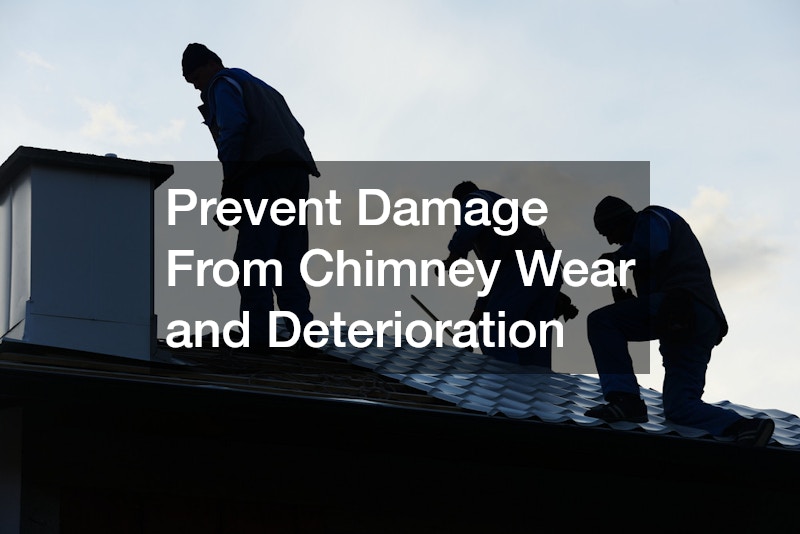
Chimneys are exposed to weather throughout the year, which can gradually affect masonry, mortar, flashing, caps, and other components. Regular inspection and maintenance can help identify deterioration before it allows moisture to enter the home or compromises the chimney structure.
Cracked bricks or mortar joints can permit water to penetrate the chimney. Over time, repeated exposure to moisture and freezing temperatures can worsen masonry damage. Rust around the chimney or visible deterioration near the roofline may also indicate that an inspection is appropriate.
Chimneys used for fireplaces or heating appliances can have additional maintenance requirements. Creosote and other combustion byproducts may accumulate inside a chimney and should be addressed according to the recommendations for the particular appliance and fuel type.
Professional chimney repairs may address masonry deterioration, damaged flashing, chimney caps, liners, or other components. The appropriate solution depends on the cause and extent of the problem.
Homeowners should also monitor the area around the chimney inside the home. Water stains on ceilings or walls near the chimney can indicate moisture intrusion. Addressing the source promptly may help prevent more extensive damage to roofing materials, insulation, drywall, or framing.
Maintain a Reliable Private Water Supply
Homes that rely on private wells have different maintenance responsibilities than properties connected to a public water system. A well pump is responsible for moving water from the well into the home’s plumbing system, making its condition important to daily household operations.
Changes in water pressure, unusual noises, intermittent water service, or a complete loss of water can indicate a problem with the pump or another part of the well system. Some problems may also involve pressure tanks, electrical components, controls, or the well itself.
Well pump repair should generally be handled by a qualified professional because diagnosing and servicing a well system can involve electrical components, pressurized equipment, and specialized knowledge. A professional can evaluate the symptoms and determine whether a repair or replacement is appropriate.
Preventive maintenance can also help homeowners identify developing issues. Monitoring water pressure and paying attention to changes in the system can make it easier to recognize problems early. Homeowners should also follow applicable recommendations for private well inspections and water testing.
Maintaining the well system supports a dependable water supply and can help reduce the likelihood of an unexpected interruption in household water service.
Address Problems With Your Home’s Water Supply
Water lines transport water between the home’s supply and plumbing fixtures. Damage or deterioration can affect water pressure, create leaks, and potentially contribute to water damage. Because some water lines are located underground or inside walls, problems may not always be immediately visible.
Signs of a possible water line issue can include unexplained increases in water usage, unusually low water pressure, wet areas in the yard, discolored water, damp spots, or sounds of running water when fixtures are turned off. The specific symptoms can vary depending on the location and nature of the problem.
Water line repair may involve locating the source of a leak, repairing a damaged section, replacing deteriorated piping, or addressing connections and other components. Underground problems may require specialized equipment to locate the affected area accurately.
Homeowners should respond promptly to suspected water line problems. Even a slow leak can waste water and potentially damage soil, landscaping, foundations, or other structures.
Regularly monitoring water usage can be a useful maintenance practice. An unexplained change in consumption can sometimes provide an early indication that a leak or other plumbing issue needs attention.
Preserve the Beauty and Function of Your Floors

Floors experience substantial daily use, making them one of the areas of a home most exposed to wear and tear. Hardwood floors can provide durability and a classic appearance, but they still require appropriate care to maintain their condition.
Routine cleaning helps prevent dirt and debris from scratching the surface. Homeowners should follow the flooring manufacturer’s recommendations for cleaning products and methods, as excessive moisture or inappropriate cleaners can damage certain finishes.
Furniture can also affect hardwood flooring. Felt pads under chair and table legs can help reduce scratches, while rugs and mats in high-traffic areas can help protect the surface. Spills should be addressed promptly to reduce the risk of moisture-related damage.
Over time, hardwood floors may develop scratches, dents, worn finishes, or discoloration. Depending on the condition of the flooring, professional cleaning, refinishing, board replacement, or other restoration work may be appropriate.
Maintaining hardwood flooring is not simply an aesthetic concern. Proper care can help preserve the usable life of the flooring and prevent relatively minor surface damage from becoming more extensive deterioration.
Keep Your Septic System Working Properly
Homes that are not connected to a municipal sewer system may rely on a private septic system to manage wastewater. Septic systems require ongoing maintenance because problems can affect household plumbing, the yard, and the surrounding environment.
One of the most important maintenance practices is having the septic tank inspected and pumped according to the system’s needs and applicable recommendations. The appropriate schedule can vary depending on household size, tank capacity, water usage, and other factors.
Homeowners should also be mindful of what enters the plumbing system. Certain materials, chemicals, and non-biodegradable items can interfere with normal septic operation. Excessive water use can also place additional strain on the system.
Warning signs of a septic problem can include slow drains, unpleasant odors, unusually wet areas over the drain field, sewage backups, or changes in how the plumbing operates. These symptoms should not be ignored.
Professional septic repairs can address problems involving tanks, pipes, pumps, drain fields, or other components, depending on the system design. Early attention may help prevent a minor issue from developing into a more disruptive and costly failure.
Maintain Safe, Durable Driveways and Pavement
Driveways, walkways, parking areas, and other paved surfaces are exposed to weather, vehicle traffic, moisture, and temperature changes. Over time, these conditions can contribute to cracking, potholes, surface deterioration, and other forms of damage.
Small cracks can sometimes develop into larger problems when water enters the pavement and repeated freezing and thawing occurs. Addressing damage early can help protect the surrounding pavement and maintain a smoother surface.
Asphalt repairs can range from filling cracks and repairing isolated damaged areas to addressing larger sections of deteriorated pavement. The appropriate solution depends on the age, condition, drainage, and extent of the damage.
Drainage is an important consideration when maintaining paved surfaces. Standing water can contribute to deterioration, particularly when pavement already contains cracks or damaged areas. Keeping nearby drainage paths clear can help reduce unnecessary moisture exposure.
Homeowners should periodically inspect driveways and other paved areas for changes. Promptly addressing developing damage can help maintain the property’s appearance, accessibility, and overall condition.
Keep Your Home’s Water and Drainage Systems Flowing
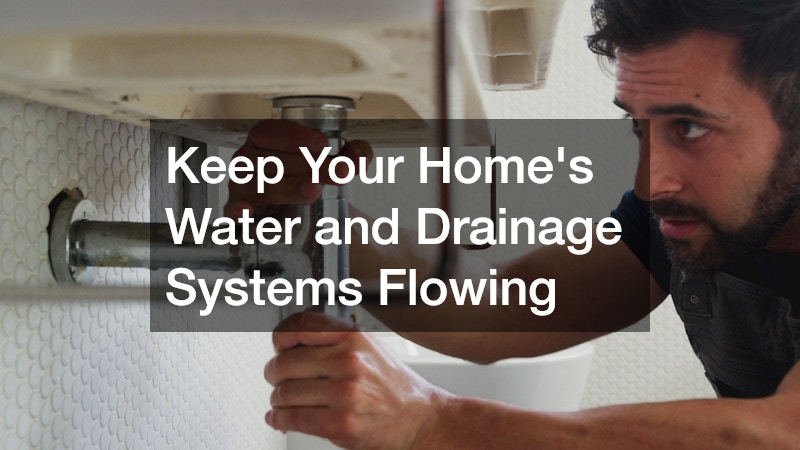
Plumbing systems support some of the most basic functions in a home, including drinking water, bathing, cooking, cleaning, and wastewater removal. Because plumbing problems can quickly interfere with daily life, regular attention can help homeowners identify issues before they become emergencies.
Common warning signs include dripping faucets, slow drains, low water pressure, running toilets, unusual odors, water stains, and visible leaks. A sudden increase in water usage can also indicate a hidden leak.
Plumbing repair may address damaged pipes, clogged drains, leaking fixtures, faulty valves, water heaters, or other components. The right approach depends on the source of the problem.
Homeowners can take simple preventive measures, such as avoiding putting inappropriate materials down drains, fixing dripping fixtures, and monitoring exposed pipes for corrosion or leaks. In colder climates, protecting vulnerable pipes from freezing can also help prevent significant damage.
Some plumbing problems are suitable for basic maintenance, while others require professional attention. Persistent clogs, hidden leaks, sewage backups, and significant water damage should be evaluated rather than repeatedly treated with temporary solutions.
Maintaining a home is an ongoing responsibility, but a consistent approach can make that responsibility more manageable. Rather than waiting for something to fail completely, homeowners can monitor important areas of the property and address signs of wear before they develop into larger problems. Regular upkeep can also help preserve the property’s appearance, functionality, comfort, and long-term value.
Every part of a home has different maintenance requirements. Outdoor areas benefit from appropriate landscaping and drainage management, while roofs and chimneys need attention to protect the structure from weather-related deterioration. Electrical systems require careful handling and professional evaluation when warning signs appear. Homes with private wells and septic systems have additional responsibilities involving water supply and wastewater management.
Other components deserve regular attention as well. Monitoring water lines and plumbing can help homeowners catch leaks and pressure problems, while proper care can extend the life and appearance of hardwood floors. Driveways and other paved surfaces can benefit from addressing cracks and deterioration before damage becomes more extensive.
A useful maintenance strategy combines routine observation with timely professional assistance. Homeowners do not need to become experts in every household system, but they should understand basic warning signs and know when a problem requires specialized attention. Keeping records of inspections, repairs, and maintenance can also help homeowners stay organized and anticipate future needs.
By treating maintenance as a regular part of homeownership rather than something reserved for emergencies, homeowners can address problems systematically. Consistent upkeep can help protect the investment a home represents while creating a safer, more comfortable, and more dependable place to live.

