
Maintaining a home involves many responsibilities, from keeping essential systems operating properly to addressing visible wear and damage. Plumbing, heating and cooling, roofing, masonry, drywall, and driveway surfaces all require attention over time. Regular maintenance can help preserve these features, support household comfort, and reduce the likelihood of more extensive repairs. However, some projects require specialized equipment, technical knowledge, or experience with specific building materials.
Knowing which maintenance tasks benefit from professional assistance makes it easier to prioritize home improvement projects. From responding to plumbing emergencies to maintaining exterior surfaces, timely attention can help protect a property’s condition and functionality. Homeowners can make informed decisions by recognizing common maintenance concerns and understanding when professional support is appropriate.
Responding Quickly to Unexpected Plumbing Problems

Plumbing problems can develop without warning and interfere with everyday household activities. Burst pipes, overflowing toilets, major leaks, and water heater failures may require immediate attention to limit water damage and restore essential services. Even a relatively small leak can affect flooring, cabinets, drywall, and other nearby materials if it continues unnoticed. Recognizing the need for prompt assistance can help homeowners limit the disruption caused by unexpected plumbing issues.
Emergency plumbers respond to urgent situations that cannot always wait for a routine service appointment. They can assess the source of a problem, determine whether water or gas supplies need to be shut off, and recommend appropriate repairs. Depending on the issue, service may involve repairing damaged pipes, addressing leaks, clearing severe blockages, or restoring the operation of essential plumbing fixtures. A professional assessment can also help identify related concerns that might otherwise go unnoticed.
Homeowners can take reasonable precautions while waiting for assistance. Turning off the water supply when a pipe is leaking or a fixture is overflowing can help reduce additional damage. If water is near electrical outlets or appliances, avoiding the affected area and seeking appropriate assistance is important. Keeping access to the main water shutoff valve clear can also make it easier to respond to future emergencies.
Not every plumbing concern requires emergency service, but persistent leaks, sewage backups, and significant water pressure changes should not be ignored. Understanding the difference between routine maintenance and urgent repairs can help homeowners determine when immediate professional attention is necessary.
Maintaining Reliable Plumbing Throughout the Home
Household plumbing systems include pipes, fixtures, drains, valves, and connections that work together to distribute water and remove wastewater. Over time, normal use, mineral buildup, corrosion, and changing water pressure can affect how these components function. Routine inspections and timely repairs can help maintain system performance and identify developing problems before they cause significant damage.
A local plumber can evaluate plumbing concerns throughout a property and recommend appropriate maintenance or repair services. Common tasks include fixing dripping faucets, replacing worn fixtures, repairing leaking connections, inspecting water supply lines, and addressing inconsistent water pressure. A professional can also assess older plumbing components to determine whether repairs or replacements are appropriate.
Small plumbing problems can sometimes indicate larger issues. For example, recurring leaks may point to deteriorating pipes, loose connections, or excessive water pressure. A faucet that continues dripping after basic adjustments may have worn internal components that need replacement. Professional evaluations help identify the underlying cause rather than focusing only on the visible symptom.
Homeowners can support plumbing performance by monitoring water usage, checking visible pipes for moisture, and paying attention to changes in fixture operation. Unexplained increases in water bills may also indicate a hidden leak. Scheduling maintenance when concerns arise can help reduce water waste and protect surrounding building materials. Keeping plumbing systems in good condition supports daily convenience and can help prevent avoidable repair expenses.
Restoring Proper Flow Through Household Pipes
Drainage systems remove wastewater from sinks, showers, tubs, toilets, and other household fixtures. When water begins draining slowly or stops moving altogether, everyday activities can become inconvenient. Drain problems may develop when grease, soap residue, hair, food particles, or other materials accumulate inside pipes. In some cases, tree roots, pipe damage, or improper installation can also interfere with drainage.
Clogged drains can produce several warning signs. Water may collect around a shower drain, a kitchen sink may empty slowly, or unpleasant odors may develop near plumbing fixtures. Multiple drains experiencing problems at the same time can indicate an issue within a shared drain line or the main sewer connection. Identifying the location and cause of a blockage is important when determining the appropriate repair.
Professional drain cleaning services can help remove accumulated debris and restore proper water flow. Depending on the condition of the plumbing system, a contractor may use specialized tools or equipment to clear obstructions. More involved problems may require a camera inspection to identify pipe damage, root intrusion, or other issues that cannot be seen from the fixture. This evaluation can help determine whether cleaning, repair, or replacement is necessary.
Homeowners can reduce some drainage problems by avoiding the disposal of grease, oils, and inappropriate materials through household fixtures. Drain covers can also help limit the amount of hair and debris entering bathroom pipes. However, recurring blockages or widespread drainage problems should receive professional attention. Addressing the underlying cause can help prevent repeated interruptions and potential plumbing damage.
Improving Hot Water Efficiency and Reliability
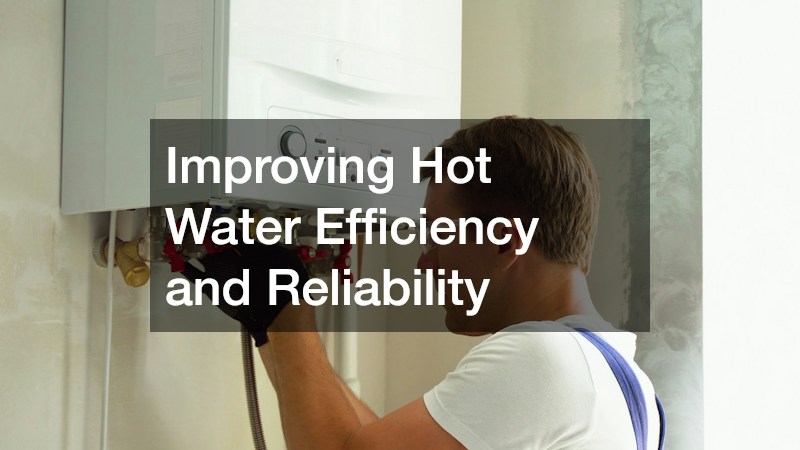
Hot water is necessary for bathing, cleaning, cooking, and many other household activities. Water heating equipment works regularly to meet these needs, so changes in performance can affect both comfort and energy use. Homeowners may notice inconsistent temperatures, unusual noises, water leaks, or longer waiting times when a water heater begins experiencing problems. Routine maintenance and timely service can help keep the equipment operating as intended.
Tankless water heaters provide hot water on demand rather than storing a large volume of heated water in a tank. These systems heat water as it passes through the unit, which can reduce standby energy losses associated with maintaining stored hot water. However, performance depends on factors such as the unit’s capacity, household demand, water quality, and installation requirements.
Professional installation is important because the equipment must be properly sized and connected to the home’s plumbing and energy supply. A contractor can evaluate the number of fixtures, expected hot water demand, available space, and existing utility connections. These considerations help determine whether a particular system is suitable for the property. Incorrect sizing or installation can affect performance and may contribute to unnecessary operating problems.
Maintenance requirements should also be considered. Mineral deposits can accumulate inside heating components, particularly in areas with hard water. Depending on the manufacturer’s recommendations and local water conditions, periodic flushing and other service procedures may be necessary. Homeowners should review maintenance guidance and arrange professional service when needed to help maintain reliable hot water.
Maintaining Comfortable Indoor Temperatures Year-Round
Heating and cooling equipment plays an important role in household comfort throughout the year. Furnaces, air conditioners, heat pumps, thermostats, ductwork, and ventilation components must work together to maintain suitable indoor temperatures. When one part of the system develops a problem, homeowners may experience uneven heating, reduced airflow, unusual noises, or higher energy bills. Routine maintenance can help identify developing concerns and support consistent operation.
An HVAC company can provide inspections, maintenance, repairs, and equipment replacement based on a home’s heating and cooling needs. Common service tasks include checking electrical connections, inspecting filters, evaluating refrigerant levels where applicable, cleaning components, and testing system controls. Contractors can also assess ductwork for airflow restrictions or leaks that may affect comfort and efficiency.
Seasonal maintenance is particularly important because heating and cooling systems often experience increased use during periods of extreme temperatures. Preparing equipment before the start of a demanding season can provide an opportunity to identify worn components and address performance concerns. Homeowners should also follow manufacturer recommendations for filter replacement or cleaning. A clogged filter can restrict airflow and place additional strain on the equipment.
When an older system requires frequent repairs or struggles to maintain comfortable temperatures, replacement may be worth considering. A professional can review the home’s size, insulation, ductwork, and energy requirements before recommending equipment. Proper sizing and installation help support dependable operation. Maintaining heating and cooling systems can contribute to indoor comfort while helping homeowners plan for future equipment needs.
Protecting the Home With Durable Roofing Materials
A home’s roof provides protection from rain, wind, sunlight, and changing outdoor temperatures. Its condition can influence the performance of the building envelope and the protection of interior materials. Missing shingles, loose flashing, deteriorating fasteners, and damaged panels can create openings where moisture may enter. Regular inspections can help homeowners identify visible concerns and determine whether repairs or material replacement are necessary.
Metal roofing contractors can assist with installing, inspecting, and maintaining roofing systems made from materials such as steel, aluminum, and other metal products. Metal roofing is available in different panel styles, profiles, finishes, and colors. The appropriate selection depends on the home’s design, structural requirements, local weather conditions, and the homeowner’s preferences.
Professional installation involves more than attaching panels to the roof structure. Contractors must consider underlayment, flashing, fastening methods, ventilation, drainage, and the manufacturer’s installation specifications. Properly installed components help manage water movement and accommodate the expansion and contraction that can occur with temperature changes. Attention to these details can help support the roof’s performance over time.
Homeowners should also understand the maintenance needs of their roofing materials. Periodic inspections can reveal loose fasteners, damaged flashing, debris accumulation, or other conditions that require attention. Keeping gutters clear and addressing nearby tree branches can help reduce certain risks. When concerns arise, a professional evaluation can help determine whether a targeted repair or more extensive work is appropriate.
Addressing Roof Damage Before It Spreads
Roof damage can affect more than the exterior appearance of a home. Water entering through a damaged area may reach insulation, ceilings, wall cavities, and framing materials. If moisture remains trapped, it can contribute to deterioration and other indoor concerns. Addressing visible damage promptly can help limit the potential impact on surrounding parts of the property.
Roof repair may involve replacing damaged shingles or panels, correcting flashing problems, sealing appropriate roof penetrations, or addressing areas where water is entering. The correct repair depends on the roofing material, the location of the damage, and the condition of the surrounding structure. A professional inspection can help determine whether the issue is isolated or part of a larger roofing concern.
Some roof problems are not immediately obvious from the ground. Water stains on ceilings, peeling paint near upper walls, damp attic insulation, and unexplained moisture can indicate a possible roofing leak. However, these symptoms may also have other causes, including plumbing leaks or condensation. A qualified contractor can inspect the affected areas and help identify the source.
Homeowners should avoid climbing onto damaged or slippery roofs to investigate problems themselves. Roofing work involves fall hazards and may require specialized safety equipment. Professional assistance provides access to appropriate inspection methods and repair materials. Addressing roof concerns early can help protect interior spaces and reduce the likelihood of more extensive restoration work.
Preserving Brick, Stone, and Concrete Features
Masonry features contribute to a property’s appearance, structure, and outdoor functionality. Brick walls, stone walkways, concrete steps, chimneys, patios, and retaining walls are exposed to weather and regular use. Over time, moisture, temperature changes, soil movement, and normal material aging can contribute to cracks, loose components, and deteriorating mortar joints. Periodic inspections can help identify these issues before they become more extensive.
A masonry company can evaluate damaged surfaces and recommend repairs based on the materials and construction methods involved. Common services include repointing mortar joints, replacing damaged bricks, repairing stonework, and restoring concrete features. Contractors can also assess whether cracks are limited to the surface or may indicate movement or other structural concerns.
Different masonry materials require appropriate repair products and techniques. Mortar used for one type of brick or stone may not be suitable for another. Using incompatible materials can affect the appearance and performance of a repair. Professional knowledge helps determine the right approach for matching existing materials and addressing the source of deterioration.
Water management is another important part of masonry maintenance. Poor drainage, damaged gutters, and water collecting near foundations can contribute to moisture-related problems. Homeowners can monitor exterior surfaces for changes and keep drainage pathways clear. When cracks widen, walls begin to shift, or masonry components become loose, professional evaluation can help determine the appropriate next steps.
Repairing Interior Walls and Surface Damage
Interior walls help define living spaces and provide surfaces for paint, trim, shelving, and other finishes. Everyday activities, furniture movement, plumbing problems, and building settlement can cause dents, holes, cracks, and other forms of damage. While small cosmetic marks may be manageable with routine care, larger repairs often require specialized tools and finishing techniques to achieve a consistent appearance.
A local drywall company can assess damaged wall and ceiling surfaces and recommend suitable repairs. Common services include patching holes, replacing damaged drywall sections, repairing seams, addressing nail pops, and preparing surfaces for painting. Contractors can also evaluate moisture-related damage to determine whether affected materials need to be removed and replaced.
Proper drywall repair involves more than covering a damaged area. The contractor must prepare the surface, secure replacement materials when necessary, apply joint compound, and smooth the repair so it blends with the surrounding wall. Multiple applications and drying periods may be required to create an even finish. Matching the existing texture can also be important when the repaired area is visible.
Homeowners should pay attention to stains, soft drywall, bubbling paint, and recurring cracks. These conditions can sometimes indicate moisture intrusion or movement that needs further investigation. Repairing the surface without addressing the underlying cause may lead to additional damage. A professional evaluation can help determine whether the problem is cosmetic or requires more extensive attention.
Maintaining Smooth and Durable Driveways

Driveways provide access to garages, parking areas, and other parts of a property. Because they experience regular vehicle traffic and exposure to weather, their surfaces can develop cracks, depressions, loose material, and drainage problems. Routine attention can help preserve the driveway’s appearance and functionality while identifying conditions that may require repair or resurfacing.
An asphalt contractor can evaluate pavement conditions and recommend services based on the surface’s age, use, and level of deterioration. Common projects include crack filling, pothole repairs, resurfacing, and new asphalt installation. Contractors may also assess the condition of the underlying base, which can influence how well the finished surface performs.
Proper preparation is an important part of asphalt work. Before installation or resurfacing, contractors may need to address drainage, remove deteriorated material, and prepare the base to support the pavement. The asphalt mixture must then be placed and compacted using appropriate equipment and methods. These steps help create a consistent surface that can accommodate regular vehicle use.
Homeowners can support driveway maintenance by monitoring cracks, keeping drainage areas clear, and addressing standing water. Small surface concerns can develop into larger problems when moisture enters the pavement and affects the underlying materials. Professional assessments can help determine whether localized repairs are sufficient or whether resurfacing or replacement should be considered. Timely maintenance can help preserve the driveway and maintain safe access to the property.
Working with qualified contractors provides an opportunity to evaluate problems and discuss appropriate solutions. Professionals can explain the condition of existing materials, identify potential causes, and recommend repairs based on the property’s needs. Homeowners can ask about project preparation, material options, estimated timelines, and ongoing maintenance requirements before work begins. Clear communication helps establish realistic expectations and supports informed decisions.


